
Cheongdam Alltite | How Often Should You Consider Alltite Treatments?
2026-10-26
Contents
How often should you receive Alltite?
When considering the Alltite (ALLTITE) procedure, you may wonder if one session is sufficient or if it needs to be repeated. However, the number of sessions and the interval can vary depending on skin condition and treatment goals, making it difficult to apply the same plan to everyone.
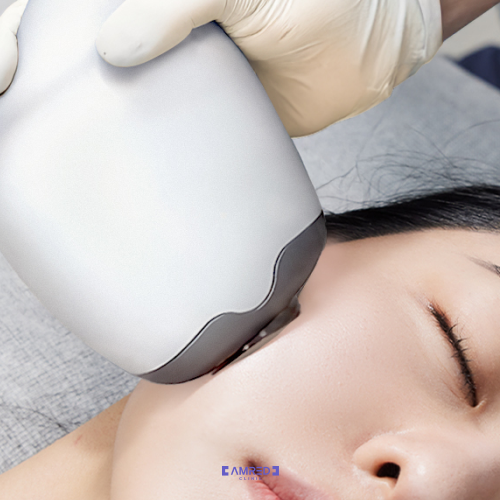
If you're curious about how long to wait before repeating the Alltite treatment, you should first consider the goals of this session. Whether you were concerned about fine lines, a blurred jawline, or wanted to manage overall skin elasticity will determine the areas to focus on. Setting the same number of months for everyone from the start does not reflect individual skin reactions and changes.
However, the interval should be determined by considering skin condition, treatment goals, and the outcomes following previous treatments. It may not be appropriate to recommend the same number of sessions applied to one person to another.
What are the criteria for determining the Alltite interval?
The interval for Alltite treatments is not merely a number indicating how many months apart they should be repeated. How the skin has changed since the last treatment and where current concerns are concentrated are important clues for determining the next session.
Treatments that deliver thermal energy to the skin may not show immediate changes and subsequent tissue responses at the same time. Therefore, it is not advisable to conclude that the treatment is finished based solely on immediate sensations or to feel the need to repeat it just because rapid changes are not visible.
For example, if you were initially concerned about overall facial elasticity, over time, you may only be focused on the elasticity around the mouth. If the location and degree of concern have changed, the scope of the next treatment session can also be re-evaluated. If you have previously received other energy treatments, the applicable areas and timing should also be considered.
Can you feel changes after just one treatment?
The changes felt after one treatment vary from person to person, and there is no guarantee that effects will appear at a specific time. This is due to differences in the type of treatment, the area treated, and individual skin conditions.
The recommended interval may not match the number of sessions presented in advertisements. It can be adjusted based on skin thickness, previous treatment history, the area treated, and desired changes. Especially if you are planning to combine other radiofrequency or ultrasound lifting treatments, the purposes and intervals of each treatment should be considered separately. Simply combining multiple treatments does not mean that recovery time or effects will simply add up.

If you determine in advance what changes you expect and when you will check the progress, you can better understand the question of whether 'one session is enough.' The number of treatments is not synonymous with satisfaction.
Remembering when you felt changes after previous treatments and which areas showed the most noticeable changes will make it easier to assess the next session. There is no need to repeat the same treatment simply because the scheduled interval has arrived before evaluating the treatment response.
Can it be combined with other lifting treatments?
Alltite can be planned in conjunction with other lifting treatments depending on individual skin conditions and treatment goals. For instance, if both skin elasticity loss and jawline sagging are present, it may be beneficial to utilize different energy characteristics for comprehensive improvement rather than relying on a single device.
Radiofrequency and ultrasound lifting differ in how they deliver energy and the layers of tissue they target. Therefore, you can distinguish between areas needing elasticity improvement and those with noticeable sagging, and plan the treatment scope and roles according to the characteristics of each device.
However, when performing multiple treatments simultaneously, it is essential to consider the depth and range of application, as well as the intervals, to avoid excessive overlap of energy in the same area. It is important to distinguish the purposes and roles of each treatment rather than simply increasing the number of sessions.
By combining treatments based on skin condition and improvement goals, you can manage complex skin concerns that are difficult to address with a single treatment and expect broader improvements in elasticity and contour.
How will the skin condition change after treatment?
After the Alltite treatment, the skin may temporarily become red or feel warm due to the thermal energy response. The duration of sensitivity or discomfort may vary from person to person.
Even if you feel that your skin has tightened immediately after the treatment, it is difficult to equate this with long-term changes. Changes related to elasticity should be observed over time after the treatment, and the process of stabilizing the skin condition should also be considered.
In planning repeat treatments, this progression is crucial. If there is unexpected pain or persistent irritation in the skin, you should first investigate the cause, and proceeding to the next session simply because the scheduled date has arrived without adequately evaluating the changes since the previous treatment may not be appropriate.
How does Amred design the Alltite interval?
The timing for repeating Alltite treatments can vary depending on how the skin condition has changed since the first treatment. If the facial contours are relatively satisfactory but you are again concerned about the elasticity around the mouth, it is difficult to explain this with the same interval.

Amred considers the density and detailed changes of the skin, as well as the harmony of the entire face, through 4D aging resolution. It is not just about the temporary sensations immediately after treatment, but also distinguishing between subsequent elasticity changes and newly emerging concerns to explore the direction of future management.
Rather than repeating the same number of shots on fixed dates, we place importance on reviewing the necessary timing based on the current skin condition, the scope of previous treatments, and management goals.
4D is a unique aging analysis and treatment design perspective defined by Amred and does not refer to an independent medical diagnostic classification or a single treatment name.
Actual treatment plans may vary based on the medical staff's assessment and individual conditions.