
Cheongdam Dermatology | Radiesse Cycle and Considerations, Approach by Skin Condition
2026-10-29
Contents
What is Radiesse?
Radiesse is known as an injectable product containing Calcium Hydroxylapatite (CaHA). It is often considered when the skin appears thin and lacks elasticity or when there are concerns related to volume, but the actual intended use should be confirmed based on the product's approval and the treatment area.
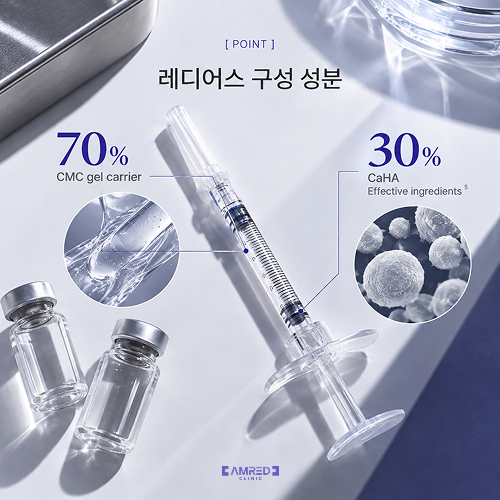
The suitability and expected outcomes may vary depending on the injection site, formulation, and plan, so the product characteristics and treatment goals should be considered together. Even if the skin concerns appear similar, the actual necessary approach may differ.
What skin concerns does Radiesse address?
The feeling that the skin looks thin and the lack of volume in the face should be distinguished. Depending on whether the primary issue is the loss of skin elasticity or a reduction in soft tissue volume, the choice of injectable product and method may vary.
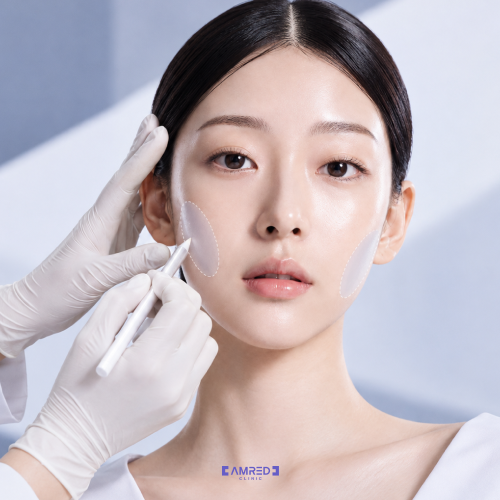
Changes from Radiesse treatment can be understood as immediate volume effects and subsequent changes in skin condition, which are different aspects. It is advisable not to assume that collagen will necessarily form to a certain extent over a specific period or that everyone will experience the same elasticity effects. The treatment goals and injection methods may differ between areas of thin skin and relatively thicker skin.
Radiesse is an injectable product containing CaHA, and the purposes related to tissue volume and skin condition are distinguished based on the application method. The actual usage should be based on the product's approved scope and the judgment of the medical professional.
When will changes appear after Radiesse treatment?
It is necessary to observe and distinguish between immediate reactions after injection and subsequent tissue changes. Not everyone will feel the same degree of change at the same time, and it cannot be guaranteed that changes will be maintained for a specific period.
The concerns of visible fine lines due to thinning skin and the hollowness caused by reduced volume in the cheeks are different. If it is explained that 'Radiesse solves everything,' the basis for product selection becomes insufficient. It is appropriate to examine the current skin thickness and the area to be treated, as well as the history of other injection treatments, and to distinguish whether the goal is skin elasticity management or shape change.
The immediate feeling of change in the skin after treatment and the changes observed over time should be distinguished. Depending on whether the treatment goal is volume enhancement or skin condition improvement, what to check and when may vary.
How should the Radiesse cycle be determined?
It is better to plan based on the response to previous treatments, current skin condition, and desired changes rather than simply repeating a fixed number of times. Even with the same product, the discussions may differ based on the area and method.
When determining the timing for re-treatment, it is important to check the area and amount previously treated, the injection method, and the outcomes. It is crucial to assess whether the originally planned goals are still relevant or if new concerns have arisen in other areas. Explanations suggesting that results will improve simply with accumulation or proposals applying a fixed number of treatments to everyone should be approached with caution.
Repeating the same volume in the same area solely because the maintenance period has passed is not a reasonable plan. The next steps may vary depending on how the skin has changed since the previous treatment and whether there are new areas of concern.
What should be noted during Radiesse treatment?
It is necessary to confirm not only bruising and swelling at the injection site but also the risks of nodules, inflammation, and vascular issues during consultation. CaHA products should not be assumed to be managed in the same way as hyaluronic acid fillers due to their different components.
Do not assume that CaHA products can be easily removed immediately with enzymes like hyaluronic acid fillers. In addition to reactions such as bruising, swelling, nodules, and infection, the vascular risks associated with facial injection treatments should also be considered. Understanding the possibilities for adjustments and precautions regarding unwanted outcomes is as important as explaining the effects.
If you have previously received fillers or other injection treatments, it is advisable to inform about the types and timing. Just because the product names are similar or categorized under the same 'skin booster' does not mean that the precautions are the same.
How does AMRED evaluate Radiesse?
When considering Radiesse, AMRED distinguishes between the expression of the skin looking thin and the actual lack of volume. This is important because the treatment goals and application areas may not be the same when there are concerns about skin texture and elasticity or when the three-dimensionality of the cheeks has diminished.

AMRED's 4D aging resolution is a standard for interpreting the density and volume status of tissues in relation to the overall balance of the face. When reviewing Radiesse, the suitability of the product and the application plan are distinguished based on what changes are needed.
It is also appropriate to plan the treatment cycle based on the changes observed after previous treatments and the current skin condition rather than repeating the same intervals uniformly. AMRED focuses on reviewing the next steps based on the necessary changes.
4D is a self-defined aging analysis and treatment design perspective by AMRED and does not refer to an independent medical diagnostic classification or a single treatment name.
Actual treatment plans may vary based on the medical professional's assessment and individual conditions.