
Cheongdam Dermatology | What are the Differences Between Potenza Pore Tip and Pumping Tip?
2026-10-29
Contents
How Do Potenza Pore Tip and Pumping Tip Differ?
As sebum production increases during the summer, enlarged pores can continue to be a skin concern even after the season changes. Many people look into Potenza treatments to improve these pores and skin texture, but the application methods and treatment purposes differ depending on the type of tip used.
Potenza is a treatment that induces changes in the skin using micro-needles and radiofrequency (RF) energy. Various tips can be used, with the pore tip being primarily used for improving pores and skin texture, and the pumping tip being considered for the application of separate products.
The pore tip focuses on improving skin condition using RF energy, while the pumping tip varies in treatment composition depending on the products used and the delivery method. The two tips differ not only in the intensity of their effects but also in their intended purposes and treatment methods.
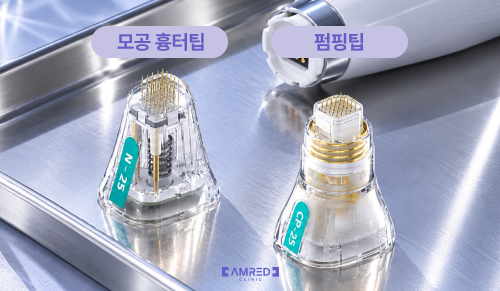
Therefore, in Potenza treatments, the appropriate tip and treatment composition can vary based on the causes of prominent pores, skin condition, and the products being applied.
What Causes Pores to Appear Prominent?
The visibility of pores can be influenced by the accumulation of sebum and dead skin cells, loss of elasticity in the skin surrounding the pores, and changes in skin texture. Even with similar pore concerns, the actual causes and appearances can differ.
For example, around the nose, high sebum production can make the pores appear round and prominent. In contrast, on the cheeks, loss of skin elasticity can cause the surrounding tissue to sag, making the pores appear elongated. Both appearances may be described as 'wide pores,' but the management goals are not the same.
The purpose of using Potenza tips is also distinguished by these differences.
If the focus is on issues related to sebum and skin texture, or if there is a loss of skin elasticity, or if the application of separate products is being considered, the application methods may differ even under the same treatment name.
What Is the Purpose of Using Potenza Pore Tip?
The Potenza Pore Tip is used to reduce enlarged pores, control excessive sebum production, and improve uneven skin texture. It works by delivering RF energy to the dermis layer of the skin through micro-needles, inducing the regeneration of collagen and elastin.
The appearance of enlarged pores next to the nose and the pitted shape from acne scars may all be described as 'wide pores,' but the treatment goals differ. Cases of prominent pores due to high sebum production and those where the skin's elasticity has decreased and elongated should be distinguished. Before choosing a tip, the shape of the pores and the condition of the surrounding skin should be examined.
The effectiveness is not determined solely by the name of the tip; the actual structure of the consumables and the application method are important.
What Role Does Potenza Pumping Tip Play?
The pumping type tip is sometimes introduced alongside medications or skin boosters. In this case, it is important to verify which products are being used, what the actual injection or delivery method is, and whether the usage falls within the approved scope.
Since micro-needles are used, temporary redness, swelling, small marks, or transient changes in skin texture may occur after the treatment. The recovery process can vary depending on skin condition, depth, and energy intensity, making it difficult to describe with blanket phrases like 'wash and apply makeup on the same day.' If there is an important event, it is advisable to plan the schedule considering skin reactions.
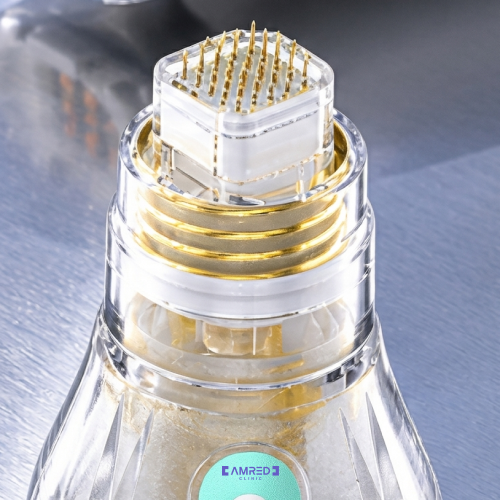
The pumping tip is sometimes introduced as being used with specific products. In this case, it is necessary to distinguish between the energy delivery of the Potenza device itself and the ingredients and application purposes of the products being used to accurately explain the treatment composition.
Just because the names of the tips are the same does not mean the compositions are identical. It is advisable to separate the explanations regarding pore improvement and the actual treatments being applied to the skin for better understanding.
What Reactions Can Occur After Potenza Treatment?
After micro-needle RF treatments, temporary redness, swelling, pain, or skin irritation may occur. Reactions can vary depending on the products used, treatment depth, and individual skin condition.
When used in conjunction with injected products, it is also necessary to check the ingredients and approved scope of those products, as well as any skin allergies and previous treatment history. Changing only the Potenza tip does not guarantee that the same skin booster will be safer or last longer. Persistent inflammation or unexpected skin changes after treatment may be signals that require medical attention.
After treatment, it is advisable to follow the care methods instructed by the medical staff rather than adding strong stimuli, and to seek medical attention if unexpected symptoms arise. Downtime can vary from person to person, so important schedules should also be considered.
If the skin is sensitive or inflamed, it is best to first assess the current condition and discuss the timing of the treatment.
How Does AMRED Apply Potenza to Address Pore Concerns?
When distinguishing between the Potenza Pore Tip and Pumping Tip, AMRED first examines the reasons for the prominence of the pores. The management goals may differ between areas around the nose, where sebum production and dead skin cells have a significant impact, and the cheeks, where changes in skin elasticity can make pores appear elongated.
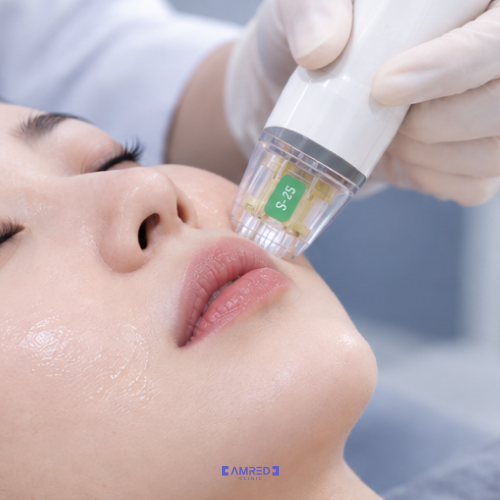
AMRED's 4D aging resolution considers not only the visible size of the pores but also the detailed changes in the skin surface and the density of the tissue. Based on this, we review which tips and application methods are suitable for the current concerns.
When using the pumping type tip, we also distinguish between the products being applied and their purposes. It is important in AMRED's treatment design to clarify the roles of the tips according to the skin condition rather than just the fact that there are various tips.
4D is a self-defined aging analysis and treatment design perspective by AMRED and does not refer to an independent medical diagnostic classification or a single treatment name.
Actual treatment plans may vary based on the medical staff's consultation and individual conditions.