
Cheongdam Ultherapy | How Painful is Ultherapy? Differences by Area and Precautions
2026-10-23
Contents
How painful is Ultherapy?
When considering Ultherapy Prime, one of the aspects that is as important as its effectiveness is the pain experienced during the procedure. During the treatment, focused ultrasound energy is delivered to the target depth in the skin, which may cause sensations of tingling, sharpness, or a heavy pressure feeling inside the skin.
Looking at actual Ultherapy reviews, expressions regarding pain vary, with comments like 'tingling', 'heavy', and 'not as bad as I thought'. This is because the sensation can differ not only based on individual pain sensitivity but also depending on the area where the energy is delivered and the characteristics of the tissue.
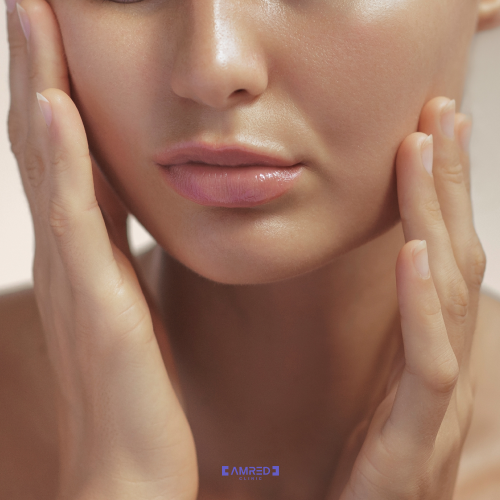
For example, areas like the jawline, where the bone is relatively close, may experience different pain sensations compared to thicker soft tissue areas like the cheeks. However, it is difficult to definitively say that certain areas are always more painful, as the actual sensation can vary based on individual conditions and treatment circumstances.
AMRED takes into account these individual differences in pain by assessing health status and pain sensitivity before the procedure, and reviews appropriate pain management methods such as local anesthesia if necessary. It is important to apply methods tailored to individual conditions to address any discomfort that may be felt during the treatment.
Why is pain different in each treatment area?
Ultherapy Prime is a procedure that delivers focused ultrasound energy to the target depth in the skin. Since the thickness of the skin, distribution of fat layers, and structure of surrounding tissues vary by area on the face, the pain experienced can differ even when undergoing the same treatment.
For instance, the jawline is an area where the bone contour is relatively close, and one may experience a heavy or tingling sensation when the energy is delivered. In contrast, the cheeks are relatively thick in soft tissue, but the sensation felt can vary depending on the distribution of fat layers and the depth of the treatment.
This difference does not simply mean that thinner skin areas are more painful and thicker areas are less painful. Even within the same jawline, individual facial structures and tissue conditions differ, and sensations can vary from side to side on the same person's face.
Ultherapy Prime can deliver energy at different target depths such as 1.5mm, 3.0mm, and 4.5mm depending on the skin layer. Therefore, the conditions applied and the sensations felt during the treatment can vary based on which area is treated and at what depth.
Thus, predicting Ultherapy pain solely based on the name of the area is challenging. This is why factors such as the structure of the skin and tissue, the depth at which energy is delivered, and individual pain sensitivity must be considered together.
What methods are used to reduce Ultherapy pain?
Ultherapy Prime delivers ultrasound energy to the deep layers of the skin, which can cause temporary heat sensations or pain during the procedure. Particularly for those who are sensitive to pain or have a wide treatment area, pain management methods are considered before the procedure.
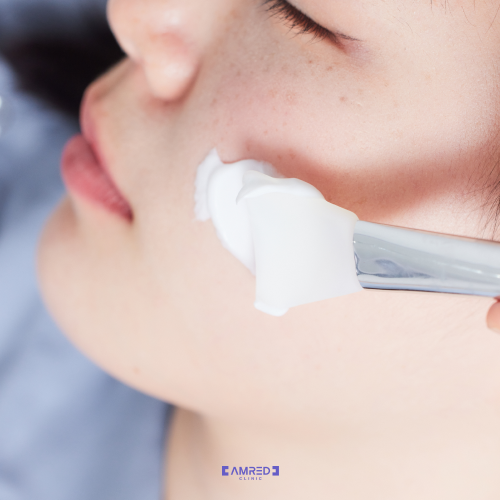
Commonly, a numbing cream can be used, or local anesthesia can be applied to the necessary areas. While numbing cream is used to reduce surface sensations, it does not completely block the stimuli occurring deeper in the skin. Therefore, additional methods may be considered based on the treatment area and expected discomfort.
Using vibrations to disperse pain is one of these methods. Vibration stimuli can be applied around the treatment area to reduce the perceived burden of pain, and it can also be used in conjunction with other pain management methods.
If there is a high sensitivity to pain or if more proactive management is needed during the procedure, pain relief, anesthesia, or sedation methods may be reviewed based on health status and medical suitability. However, these methods have different application methods and precautions, so they are not used uniformly for everyone.
The important thing is not to uniformly choose strong anesthesia methods but to determine the necessary methods considering individual pain sensitivity, health status, and treatment scope. Pain management should also be considered alongside the treatment plan.
What symptoms may appear after Ultherapy?
Ultherapy Prime is a non-surgical lifting procedure that does not involve cutting the skin, but temporary tissue reactions may occur during the process of delivering ultrasound energy to the skin.
Commonly, the treatment area may become red, and mild swelling or tenderness may occur. Even if there are no significant visible changes, one may feel stiffness inside the skin or discomfort when pressed.
These reactions generally subside over time, but one should not assume that all symptoms are part of a normal recovery process.
For example, it is important to distinguish between mild tenderness that appears after the procedure and increasing pain over time, sensory abnormalities, or unexpected changes in muscle movement. In the latter case, a consultation may be necessary to check the condition of the treatment area.
Additionally, redness or swelling that appears immediately after the procedure does not indicate the magnitude of the lifting effect. These symptoms are temporary reactions to the treatment, and changes in skin elasticity and lifting should be assessed separately over time.
Therefore, it is important to distinguish between temporary skin reactions that may occur after the procedure and symptoms that require further confirmation, and to monitor the recovery status according to individual conditions.
Does more pain during Ultherapy mean better results?
When experiencing strong pain during Ultherapy, it is easy to think that sufficient energy has been delivered and that the results will be greater. Conversely, if the pain is less than expected, one may wonder if the treatment was performed correctly.
However, the intensity of pain felt during the procedure does not necessarily correlate with the lifting effect.
Ultherapy Prime delivers focused ultrasound energy to the target depth to induce thermal responses in the tissue and subsequent collagen remodeling. On the other hand, the pain experienced during the procedure is influenced by individual sensory sensitivity, tissue structure, the area being treated, and treatment conditions.
In other words, while one may feel pain during the energy delivery process, the pain itself is not a measure of collagen production or lifting effect.
For example, just because the sensation in the jawline was strong and relatively less discomfort was felt in the cheeks does not mean that better results will appear in the jawline and insufficient results in the cheeks.
The lifting effect should be assessed comprehensively based on the treatment goals, the area treated, and subsequent changes in the skin. Changes due to collagen remodeling from Ultherapy may take time to manifest, so it is difficult to predict results based solely on pain experienced during the treatment.
Therefore, when undergoing Ultherapy, it is more important to deliver energy under appropriate conditions to the necessary areas rather than enduring a lot of pain, and to manage discomfort appropriately during the procedure.
How does AMRED manage pain during Ultherapy Prime?
At AMRED, when considering the burden of pain during Ultherapy Prime, we believe it is important to look at not only the anesthesia methods but also the necessary treatment scope and the depth at which energy will be delivered for each individual.
Even with the same Ultherapy Prime, it is not necessary to apply the same number of shots and depth to all areas of the face. For instance, if sagging of the jawline is the main concern, and there is also a decrease in cheek elasticity, the necessary treatment areas and scope may differ.
To this end, AMRED determines the necessary areas and treatment scope through 3D facial analysis, one-on-one customized treatment plans by medical staff, and design reviews using ultrasound.
We assess the shape of the face and skin condition, and based on the medical staff's judgment, plan the necessary treatment areas and number of shots. Then, we refer to the DeepSEE ultrasound images of Ultherapy Prime to confirm the actual tissue layers and review the target depth and energy application plan.
This individualized treatment design minimizes unnecessary energy delivery to areas that do not require treatment and focuses on the scope that aligns with the treatment goals. This approach can also help reduce unnecessary stimulation and discomfort. However, meticulous planning of the treatment scope does not eliminate pain itself.
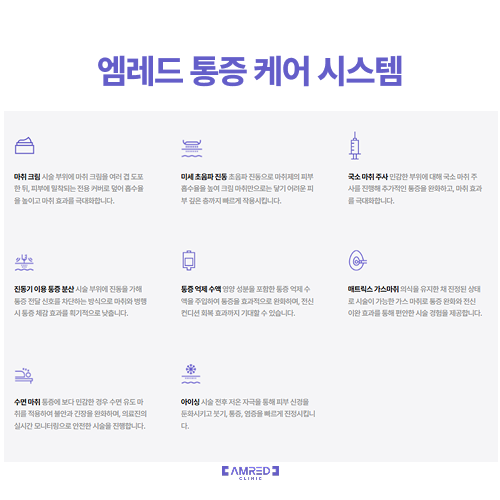
Therefore, during the actual treatment process, separate pain management is also implemented.
AMRED has various methods available, including numbing cream, local anesthesia, and vibration-based pain dispersion, and reviews suitable methods based on individual pain sensitivity, health status, and treatment scope.
This approach connects with AMRED's 4D aging resolution, which considers skin density, volume, detailed changes, and overall facial balance. Rather than determining the treatment scope based solely on visible concerns, we plan necessary treatments by examining tissue conditions and aging patterns.
AMRED's bespoke Ultherapy Prime focuses on delivering suitable energy to the necessary areas and managing discomfort during the treatment process, considering both individualized treatment design and pain management.
4D is a proprietary aging analysis and treatment design perspective defined by AMRED and does not refer to an independent medical diagnostic classification or a single treatment name.
Actual treatment plans may vary based on the medical staff's consultation and individual conditions.